The evolution of gambling A journey through history and culture
The Ancient Roots of Gambling
The origins of gambling trace back thousands of years, with evidence found in ancient civilizations such as Mesopotamia, China, and Egypt. Archaeological findings indicate that dice made from animal bones were used in games of chance as early as 3000 BC. These early forms of gambling were often linked to religious practices, where outcomes were interpreted as divine will. The act of rolling dice or drawing lots wasn’t merely a game; it was a method of seeking answers from the gods. Today, finding the best online new casinos is part of how people enjoy games of chance in modern times.

In ancient China, around 200 BC, the first recorded lottery, known as the «Keno,» emerged. This game not only served as entertainment but also contributed to state finances. Similarly, in Rome, emperors endorsed gambling as a means of engaging citizens and distracting them from political unrest. The structure of these games was often simple, focusing on luck rather than skill, laying the groundwork for future gambling activities.
Gambling during these ancient times wasn’t without consequences. Laws were established to regulate activities, reflecting societal concerns about morality and ethics. For instance, in ancient Rome, gambling was frequently associated with corruption and social decline. However, it persisted, revealing a complex relationship between leisure, culture, and the human inclination toward risk-taking.
The Rise of Formal Gambling Institutions
The Middle Ages saw a significant transformation in gambling, shifting from informal gatherings to organized establishments. During this period, the first gambling houses, or casinos, began to emerge across Europe. The Venetian Casino, established in the 1630s, is often cited as one of the first places dedicated to gambling, offering various games that attracted the aristocracy. These establishments not only provided entertainment but also functioned as social hubs for the elite.
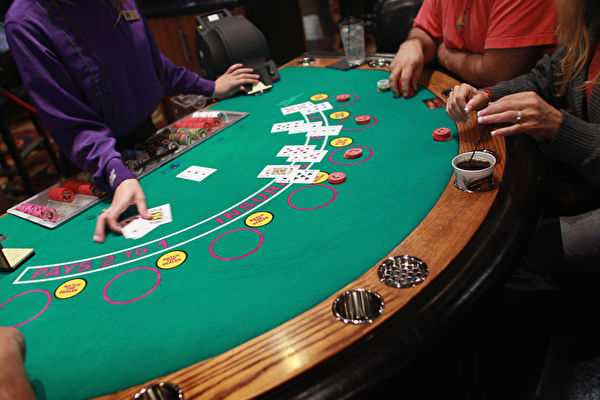
As gambling gained popularity, so did the need for regulation. Governments recognized the potential for economic benefits and began licensing gambling houses, which marked the beginning of a more structured approach to gaming. This era also saw the introduction of more sophisticated games like baccarat and blackjack, which involved elements of skill alongside chance, appealing to a broader audience.
The rise of these formal institutions changed public perception of gambling. No longer seen solely as a vice, it became a legitimate source of revenue and leisure. This transition laid the foundation for the modern gambling landscape, as more countries adopted similar practices, paving the way for the extensive and varied gaming environments we see today.
The Impact of Technology on Gambling
The 20th century marked a pivotal point in the evolution of gambling, largely driven by technological advancements. The introduction of mechanical slot machines in the early 1900s revolutionized the industry. These machines offered a new form of entertainment, characterized by bright lights and engaging sounds, attracting players with the chance of instant wins. The popularity of slots rapidly spread, leading to their presence in bars and casinos worldwide.
The later part of the century saw the advent of online gambling, fundamentally altering the landscape of betting. In the 1990s, the internet provided a platform for casinos to reach a global audience, creating an entirely new way for people to engage with gambling from the comfort of their homes. This development not only expanded accessibility but also introduced innovative gaming formats, such as virtual poker and live dealer games.
Today, technology continues to shape the gambling experience. Mobile applications allow players to gamble on-the-go, while sophisticated algorithms ensure fair play and enhance user experience. The integration of virtual reality and augmented reality into gaming is expected to further transform how people engage with gambling, creating immersive experiences that blur the lines between reality and virtual realms.
The Cultural Significance of Gambling
Gambling has long been intertwined with cultural practices and social norms, varying significantly across different societies. In many cultures, games of chance are celebrated as communal activities, fostering social bonds. For instance, during the Lunar New Year, gambling games like mahjong are commonly played in Chinese communities, reflecting traditions and family ties.
Conversely, in some societies, gambling is viewed as a moral failing, leading to stigma and legal restrictions. The contrast in attitudes can be traced to historical contexts, religious beliefs, and economic factors. In places like Las Vegas, gambling is embraced as a key element of tourism, while other regions impose strict regulations, emphasizing a cultural divide that shapes public policy and societal acceptance.
Moreover, the rise of awareness surrounding gambling addiction has prompted discussions about its cultural implications. As more individuals struggle with problem gambling, communities are focusing on education and support systems. This shift in perspective highlights the need for a balanced approach that recognizes both the entertainment value of gambling and the potential risks associated with it.
Exploring Modern Gambling Trends and Awareness
In recent years, the gambling industry has undergone significant changes, primarily influenced by the growing awareness of gambling addiction. Organizations and governments are increasingly prioritizing responsible gambling practices to mitigate potential harms. This includes implementing self-exclusion programs and promoting resources for those affected by gambling addiction. Awareness campaigns aim to educate players about the risks associated with excessive gambling, fostering a culture of responsibility.
The rise of online gambling has also contributed to this dialogue, as digital platforms must navigate the complexities of regulation and player protection. Many online casinos are now incorporating tools that allow players to set limits on their gaming activities, ensuring a safer gaming environment. Additionally, the integration of AI-driven technologies helps in identifying patterns of problematic gambling behavior, facilitating early intervention.
As we advance into a new era of gambling, the focus on addiction awareness is more critical than ever. The balance between enjoyment and risk is a fine line that the industry must navigate, promoting a culture where players are informed and empowered. The future of gambling will likely be shaped by these efforts, as both the industry and society work together to create a sustainable and responsible gaming environment.