The journey of gambling exploring its historical evolution
The Origins of Gambling
The history of gambling can be traced back to ancient civilizations, where evidence suggests that various forms of games of chance were prevalent. Archaeological findings indicate that as early as 3000 BC, the Chinese were using rudimentary dice for gaming. Similarly, the ancient Egyptians and Romans had their own games that involved wagering, showcasing that the desire to gamble is deeply rooted in human culture. In modern times, options like online gambling australia have emerged, expanding the accessibility and variety of games available.
These early forms of gambling were not merely about chance; they often included elements of strategy and skill. The Romans, for instance, incorporated games of chance into their social rituals, while the Chinese developed intricate gambling systems with rules and regulations. This early foundation laid the groundwork for the complex gambling systems we see today.
The Evolution Through the Ages
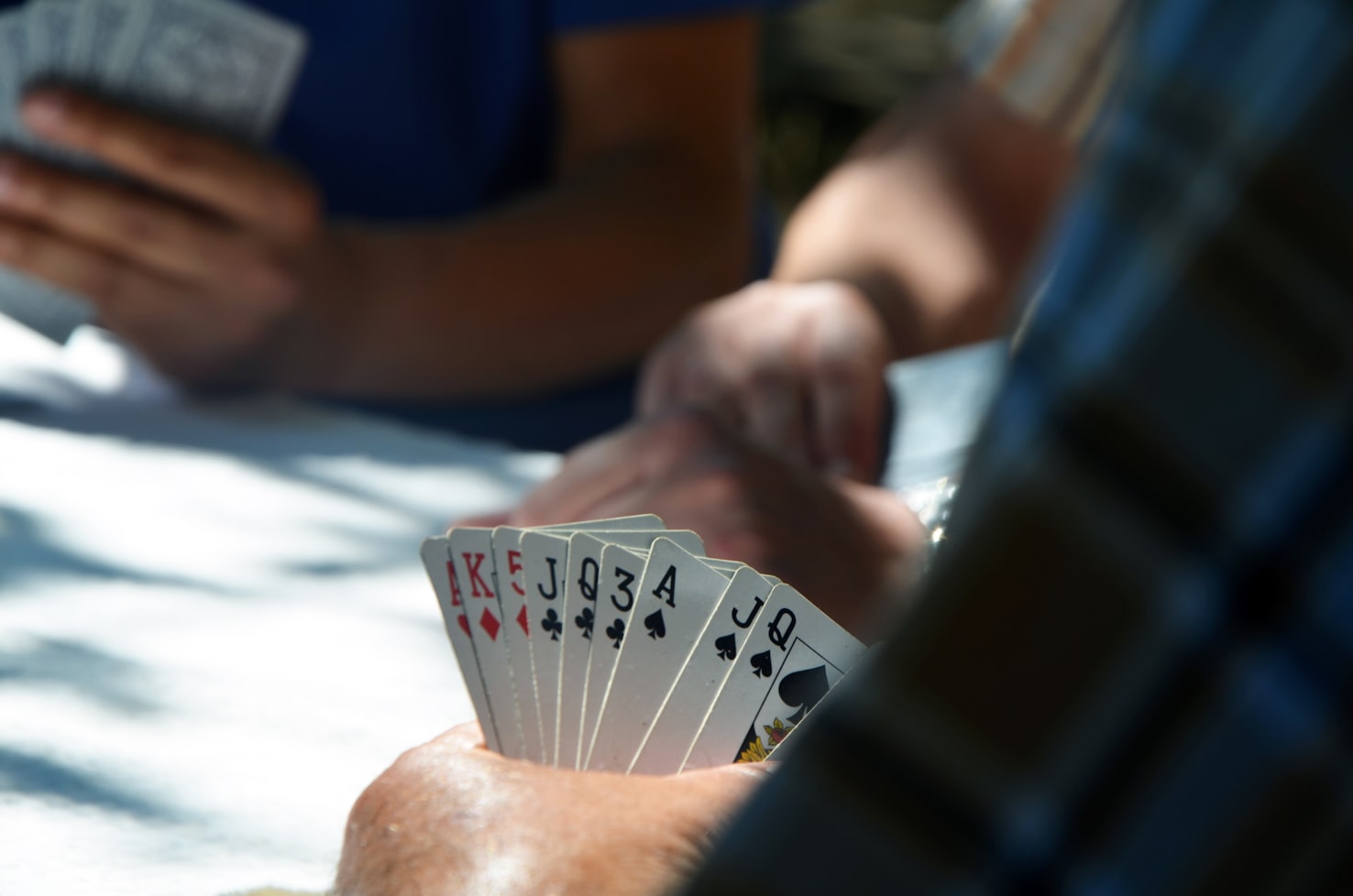
As societies evolved, so too did gambling practices. During the Middle Ages, gambling became a popular pastime among nobility, with games like chess and card games gaining prominence. This period saw the introduction of playing cards into Europe, which would eventually lead to the development of numerous card games and betting techniques.
The Renaissance era marked a significant turning point, as gambling became more formalized, with the establishment of the first public casinos in Italy. These venues began to attract a broader audience, creating a more structured environment for gambling and contributing to its growing popularity across Europe.
The Rise of Modern Gambling
The 18th and 19th centuries witnessed a significant transformation in gambling with the establishment of large-scale betting houses and horse racing tracks. The introduction of legal frameworks and regulations helped to legitimize gambling activities, allowing them to flourish in many parts of the world. Lotteries also became popular during this time, providing states with a means of generating revenue.
This era marked the birth of the modern casino as we know it today. Las Vegas, which emerged in the mid-20th century, epitomized this transformation by combining luxury with entertainment and gaming. Casinos evolved into major tourist attractions, drawing millions who seek both the thrill of gambling and a vibrant atmosphere.
Common Myths and Misconceptions
Despite its long history, gambling is often surrounded by a cloud of myths and misconceptions. One prevalent myth is the idea that certain games are «hot» or «cold,» implying that players can predict outcomes based on past results. In reality, most gambling games are based on random chance, and every game is independent of previous rounds.
Additionally, many believe that there are foolproof strategies to win at games like slot machines or poker. While strategies can improve skill, they do not guarantee success. Understanding the odds and the random nature of games is crucial for responsible gambling, dispelling the idea that anyone can consistently beat the house.
Exploring the Future of Gambling
The future of gambling is poised for exciting changes, especially with the rise of online gaming and technological advancements. Virtual reality and augmented reality are beginning to revolutionize how players experience gambling, allowing for more immersive environments. Additionally, cryptocurrencies are being embraced by many online casinos, providing players with new ways to wager securely and anonymously.
As regulations evolve and technology continues to advance, the gambling landscape will undoubtedly transform. Whether through online platforms or traditional casinos, the journey of gambling remains dynamic, adapting to the desires of players while maintaining the thrill of chance.